If you are picturing Balboa Peninsula as just a vacation backdrop, daily life here may surprise you. This is a place where the beach and harbor are part of your real routine, where getting coffee can mean walking past the sand, and where the pace of your day often follows the weather, the water, and the season. If you are considering a move, second home, or investment on the Peninsula, understanding how it actually lives day to day can help you decide whether the fit is right. Let’s dive in.
Beach and harbor shape the day
Balboa Peninsula is a three-mile coastal strip with Newport Harbor on one side and the Pacific Ocean on the other. According to the City of Newport Beach, landmarks like the Wedge, Ocean Front Walk, McFadden Square, and the Dory Fishing Fleet help define the area’s identity. That physical layout is a big reason daily life feels different here than it does in a more inland neighborhood.
The beach is not just nearby. It is part of the flow of the day. Newport Beach notes that West Newport and the Balboa Peninsula together offer more than five miles of wide sandy beaches, along with an oceanfront boardwalk that runs about three miles and is popular with pedestrians, bicyclists, and skaters.
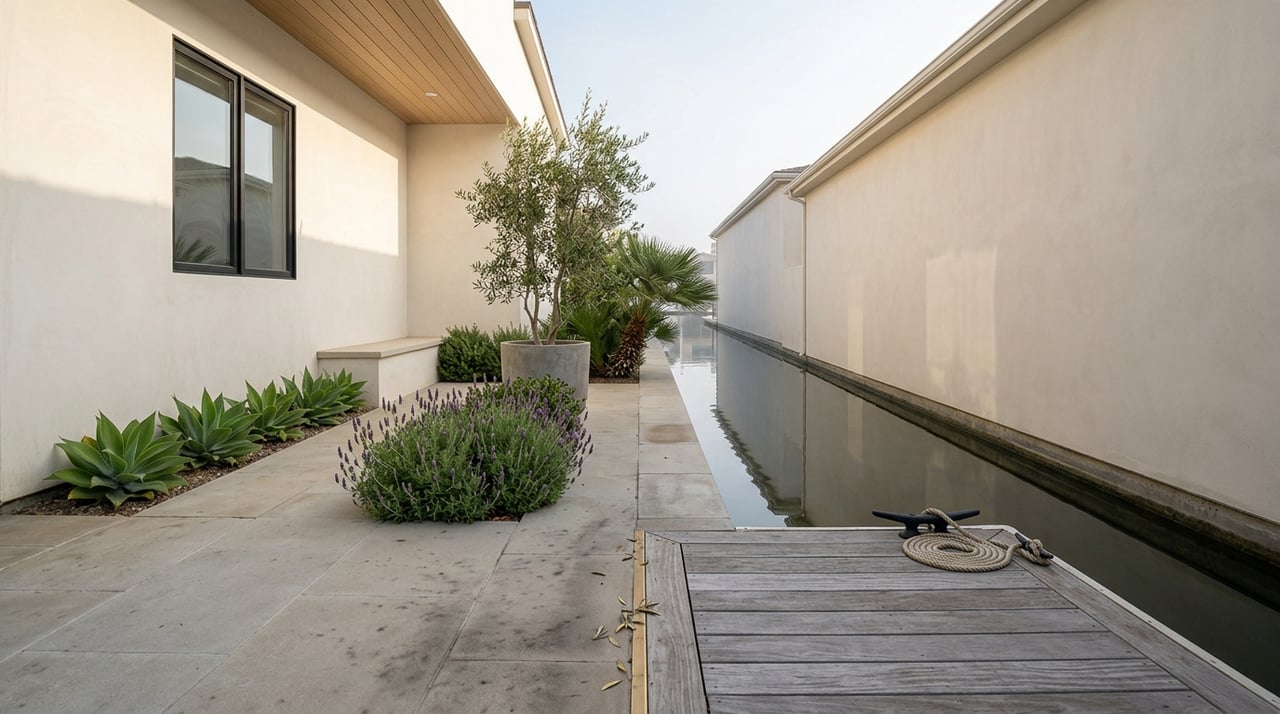
On the harbor side, the water is just as present in everyday life. The city states that the main channel of Newport Harbor passes along the Balboa Peninsula, with the Balboa Auto Ferry crossing nearby between the Peninsula and Balboa Island. In practical terms, that means many residents build their routines around walking, biking, boating, or simply spending time outdoors near the water.
The setting feels active, not suburban
If you are used to a quiet, car-centered subdivision, Balboa Peninsula will feel different right away. The built environment is tighter, more layered, and more active. Streets are narrower, destinations are closer together, and visitors are part of the everyday backdrop.
That energy is especially noticeable around Balboa Village. City design guidelines describe the area as a small-town commercial district with small blocks, narrow streets, mixed commercial and residential uses, and an eclectic architectural mix with seaside themes. The result is a setting that feels like a coastal village rather than a typical suburban tract.
For many buyers, that is exactly the appeal. You are close to restaurants, waterfront activity, shops, and beach access, often without needing to make every trip by car. At the same time, it is important to know that convenience here comes with more movement, more shared space, and more seasonal activity than you may find in quieter residential pockets elsewhere.
Housing is compact and varied
One of the biggest misconceptions about Balboa Peninsula is that the housing stock is all one thing. It is not. Newport Beach’s housing element describes a mix that includes detached single-unit homes, two-unit homes such as duplexes and townhomes, multi-unit residential buildings, and mixed-use districts where housing can sit above or behind commercial space.
That variety gives buyers several different ways to live on the Peninsula. Some properties are more traditional residential homes, while others are tied into denser or mixed-use settings. For second-home buyers and investors, that range can create different lifestyle and use cases depending on location and property type.
The mixed-use character is not just theoretical. The city notes that the Balboa Yacht Basin includes multiple uses in one place, including a restaurant, residential apartment units, office space, and storage garages. That kind of overlap reinforces the Peninsula’s practical, compact, coastal pattern.
Getting around often means skipping the car
One of the most important things to understand about daily life on Balboa Peninsula is transportation. You can drive, of course, but many of the easiest day-to-day choices involve walking, biking, or using local transit options. That can be a major lifestyle benefit if you want a more connected coastal routine.
Parking is a real factor here. The City of Newport Beach says many areas require paid parking every day, and some locations, including the Balboa Pier Lot, require payment 24 hours a day. The city also openly promotes alternatives, which tells you a lot about how movement works on the Peninsula.
In summer, the free Balboa Peninsula Trolley becomes a useful amenity. Newport Beach lists Saturday and Sunday service from May 23 through September 7, 2026, plus major holidays, with 22 stops, roughly 15-minute headways, and room for bikes, surfboards, and beach gear. For residents and visitors alike, that can make warm-weather weekends easier to navigate.
The Balboa Island Ferry is another part of the local routine. Visit Newport Beach says the ferry has operated continuously since 1919, crosses about 800 feet, and runs daily from 6:30 a.m. to midnight. That kind of access adds to the Peninsula’s distinctly local rhythm and gives everyday movement a character you do not find in most neighborhoods.
Errands and dining stay close by
Balboa Peninsula works well for people who enjoy having activity concentrated nearby. Visit Newport Beach highlights Balboa Village as a hub for waterfront restaurants, quick beachside eats, frozen treats, shops, sportfishing, whale watching, and the Fun Zone. In simple terms, many daily needs and spontaneous outings are clustered in one compact area.
That does not mean every errand is handled on foot, but it does mean your lifestyle can be more localized. Instead of driving from one separate shopping center to another, you are often moving within a small coastal zone where dining, entertainment, and harbor access overlap. For many buyers, that creates a more relaxed and enjoyable pattern to the week.
This is also one reason the Peninsula appeals to second-home owners. When you are here, it is easy to settle into the area without having to plan every outing. The neighborhood itself does much of the work.
Seasonality changes the experience
Balboa Peninsula is active year-round, but the experience is not the same in every season. Climate is a major part of the appeal. Newport Beach Harbor normals show an annual average temperature of 62.8 degrees, summer highs in the low to mid-70s, winter highs in the low to mid-60s, about 9.43 inches of precipitation per year, and no measurable snowfall.
That mild maritime climate supports outdoor living in every season. Beach walks, biking, harbor views, and open-air dining are not limited to just a few months. If you want a place where the outdoors can stay part of your routine throughout the year, the Peninsula has a strong case.
Still, seasonality affects more than weather. The City of Newport Beach says the Peninsula boardwalk can become very crowded depending on the time of year, and it identifies the Fourth of July as one of the busiest weekends of the year, with added traffic management, beach operations, enforcement, and public safety staffing. In other words, peak periods are part of the package.
The holiday season brings another shift. December centers around the Newport Beach Christmas Boat Parade and Ring of Lights around the harbor, making the waterfront a focal point for seasonal activity. For some owners, those event-driven periods are part of the charm. For others, they are an important factor to weigh before buying.
Who Balboa Peninsula fits best
The Peninsula tends to work best for buyers who want an active coastal village lifestyle. If you value walkability, beach access, harbor proximity, dining, and a lively setting, this area checks many of those boxes. The housing mix, compact layout, and transportation options all support that kind of day-to-day experience.
It can also appeal to buyers looking at second-home or income-property possibilities, especially when they want a location with strong lifestyle appeal and a distinct Newport Beach identity. For investors, the property type and exact position on the Peninsula matter a great deal, since the area includes everything from detached homes to duplexes, multi-unit buildings, and mixed-use environments.
At the same time, Balboa Peninsula may be a weaker fit if your top priorities are large lots, low traffic, easy parking, and a more private suburban routine. The city’s own materials point to compact streets, paid parking, and recurring seasonal crowding. That does not make the area better or worse. It simply means the lifestyle is specific.
What to consider before buying
Before you buy on Balboa Peninsula, it helps to think beyond the view and ask how you want your days to feel. A beautiful location matters, but so do the practical details that shape your routine. On the Peninsula, those details often include parking, visitor activity, walkability, and how close you want to be to the beach, harbor, or village core.
A few smart questions to ask include:
- Do you want a full-time home, second home, or investment property?
- How important is walkability versus car convenience?
- Are you comfortable with seasonal crowds and paid parking nearby?
- Would you prefer a quieter residential stretch or a more central location near Balboa Village?
- Are you looking for a detached home, duplex, townhome, or mixed-use opportunity?
Those answers can shape not just which property fits you best, but which block or micro-location makes the most sense. On Balboa Peninsula, small differences in position can create very different daily experiences.
If you are weighing whether the Peninsula matches your goals, working with a team that understands Newport Beach at the neighborhood level can make that decision much clearer. For a private, local conversation about Balboa Peninsula homes, second-home strategy, or coastal investment opportunities, connect with Tyler Brown & Associates.
FAQs
What is daily life like on Balboa Peninsula in Newport Beach?
- Daily life on Balboa Peninsula is shaped by the beach, harbor, walkability, and seasonal activity, with many routines centered around outdoor time, dining, and local movement rather than a suburban car-first pattern.
What types of homes are on Balboa Peninsula?
- Newport Beach describes a varied housing mix that includes detached single-unit homes, duplexes, townhomes, multi-unit residential buildings, and mixed-use properties with residential space near or above commercial uses.
Is Balboa Peninsula walkable for everyday errands and dining?
- Yes, especially near Balboa Village, where dining, shops, waterfront activity, and entertainment are concentrated in a compact area that supports walking and biking.
Is parking difficult on Balboa Peninsula?
- Parking can be a real part of daily life because the city says many areas require paid parking daily, and some locations, including the Balboa Pier Lot, require payment 24 hours a day.
How do people get around Balboa Peninsula in summer?
- In summer, residents and visitors often use walking, biking, the Balboa Island Ferry, and the free Balboa Peninsula Trolley, which Newport Beach says has 22 stops and runs on weekends and major holidays during the season.
Is Balboa Peninsula a good fit for full-time living or a second home?
- It can work for either, especially if you want an active coastal lifestyle with beach and harbor access, but the best fit depends on whether you are comfortable with compact streets, visitor activity, and seasonal crowds.