Should you invest in updates before you sell, or list your Eastside Costa Mesa home as-is and move on? It is a common crossroads, and the right answer depends on today’s local demand, your home’s condition, and your timeline. In this guide, you will learn a clear framework to compare net proceeds, the updates that influence buyers most, and the steps to keep permits, disclosures, and financing on track. Let’s dive in.
Market signals to watch
Start with local data. Use recent MLS comps within 0.5–1 mile for homes similar in size, age, and lot to gauge price per square foot, days on market, and list-to-sale ratio. Low inventory with strong buyer demand often reduces the need for deep renovations, while higher inventory can make strategic updates worthwhile to stand out.
Look closely at buyer types in Eastside Costa Mesa. If most buyers nearby are owner-occupants, they tend to prefer move-in ready homes. If investors are active and paying close to asking for fixers, an as-is listing may be more efficient. For broader context, review the California Association of REALTORS’ latest statewide trends to understand timing and seasonality in the monthly market data.
Confirm neighborhood features that influence value. Older bungalows and mid-century homes are common in parts of Costa Mesa, and proximity to beaches, freeways, and amenities can shift what buyers will pay for cosmetic versus structural work. A strong CMA from a local specialist will help you price this correctly.
Renovate or sell as-is: the framework
Step A: Gather facts
- Order a Comparative Market Analysis from a neighborhood expert.
- Consider a pre-listing inspection to uncover structural, safety, or unpermitted issues.
- Get 2–3 contractor bids with line-item costs and timelines for suggested updates.
Step B: Compare net proceeds
Estimate two scenarios based on your CMA and bids:
- Scenario A: Sell as-is at a market-appropriate price for current condition.
- Scenario B: Complete selected renovations, then list at a higher expected price.
For each scenario, estimate:
- Expected sale price and selling costs.
- Renovation costs plus a 10–20 percent contingency.
- Carrying costs during work and marketing time, including mortgage, taxes, insurance, and utilities.
- Total time to complete work and close, which adds market risk and holding costs.
Compute net proceeds for each path: expected sale price minus selling, renovation, and carrying costs. Compare the totals and the time and risk involved.
Step C: Balance numbers and reality
Weigh your tolerance for project risk and timeline uncertainty against potential upside. Factor in cash-on-hand, or whether you plan to use financing for improvements. Consider liabilities from unpermitted work and how they could affect escrow. Finally, think about convenience and your moving plans, not just dollars.
High-impact updates that sell
Focus on updates that deliver strong buyer impact at a modest cost. National benchmarks, like the annual Cost vs. Value report, show that light-touch improvements often recoup a higher share of cost than full gut remodels. Review current project patterns in the Cost vs. Value report, then calibrate with local bids.
Low-cost, high-ROI moves
- Fresh interior paint in neutral tones and quick exterior touch-ups.
- Flooring refresh, such as refinishing hardwood or replacing worn carpet.
- Minor kitchen updates, like refaced cabinets, modern counters, new hardware, and improved lighting.
- Bathroom refreshes, including re-grouting, a new vanity, and updated fixtures.
- Curb appeal and simple landscaping for strong first impressions.
- Staging and professional photography to broaden buyer interest.
Minor kitchen remodels often recoup a substantial portion of cost, while full luxury kitchen remodels tend to recoup a smaller percentage. Returns vary by market conditions, so align scope with neighborhood standards.
Projects to think twice about
- Major additions that require permits and months of work, unless comps clearly support the added square footage.
- Highly personalized, niche finishes that exceed neighborhood norms.
- New pool installs, which can be costly and may not deliver strong resale returns.
Timelines, permits, and disclosures
Typical timelines in Costa Mesa
- Cosmetic updates like paint, flooring, and hardware: about 1–4 weeks.
- Non-structural kitchen or bath refresh: about 4–10 weeks.
- Major remodels or additions: several months plus plan review.
Permits and unpermitted work
The City of Costa Mesa’s Building and Safety team oversees permits. Plan review and issuance depend on scope and application completeness, so budget extra weeks for review and corrections. Start with the city to verify what work requires permits and how to schedule inspections. You can find departments and contacts on the City of Costa Mesa site.
Unpermitted additions or conversions can complicate escrow. Lenders may require permits or repairs, and retroactive permits can trigger upgrades to meet current code. Plan either to resolve key items or price accordingly and disclose.
Disclosures and financing considerations
California sellers must provide required disclosures, including the Transfer Disclosure Statement and Natural Hazard Disclosure. For a refresher on disclosure obligations, review the California Department of Real Estate’s overview of consumer real estate disclosures.
Buyer financing can hinge on condition. FHA and VA loans have health and safety standards that may require certain repairs before closing. For reference, see HUD’s FHA Single Family Housing Policy Handbook and the VA Lenders Handbook for VA property requirements.
When selling as-is makes sense
Selling as-is can be a smart move if required repairs are structural or costly compared to the likely price gain. It can also help if your timeline is tight and local investor demand is strong for fixers. As-is listings often attract cash or hard-money buyers who can close faster with fewer contingencies, but at a discount to reflect the work ahead.
A clean as-is package helps. Provide clear photos, a recent inspection summary if you have one, and comps that show the home’s potential after improvements. Price realistically to capture investor attention early.
When renovating first pays off
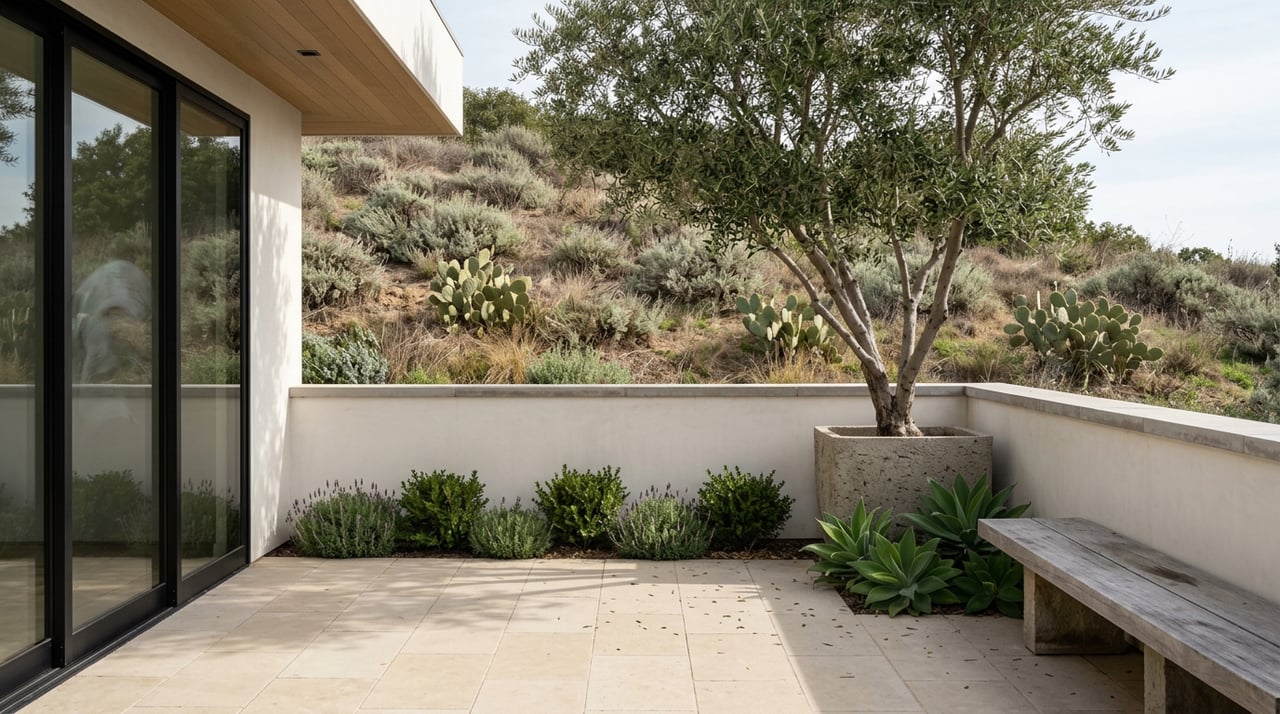
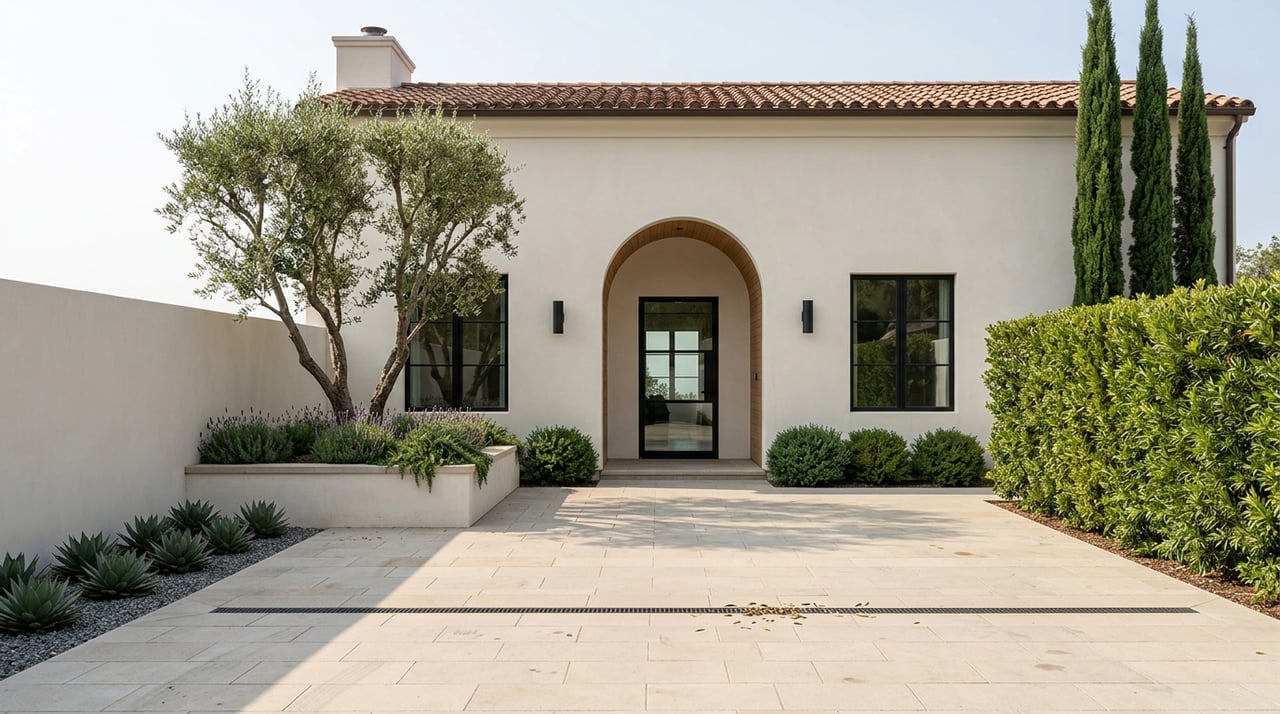
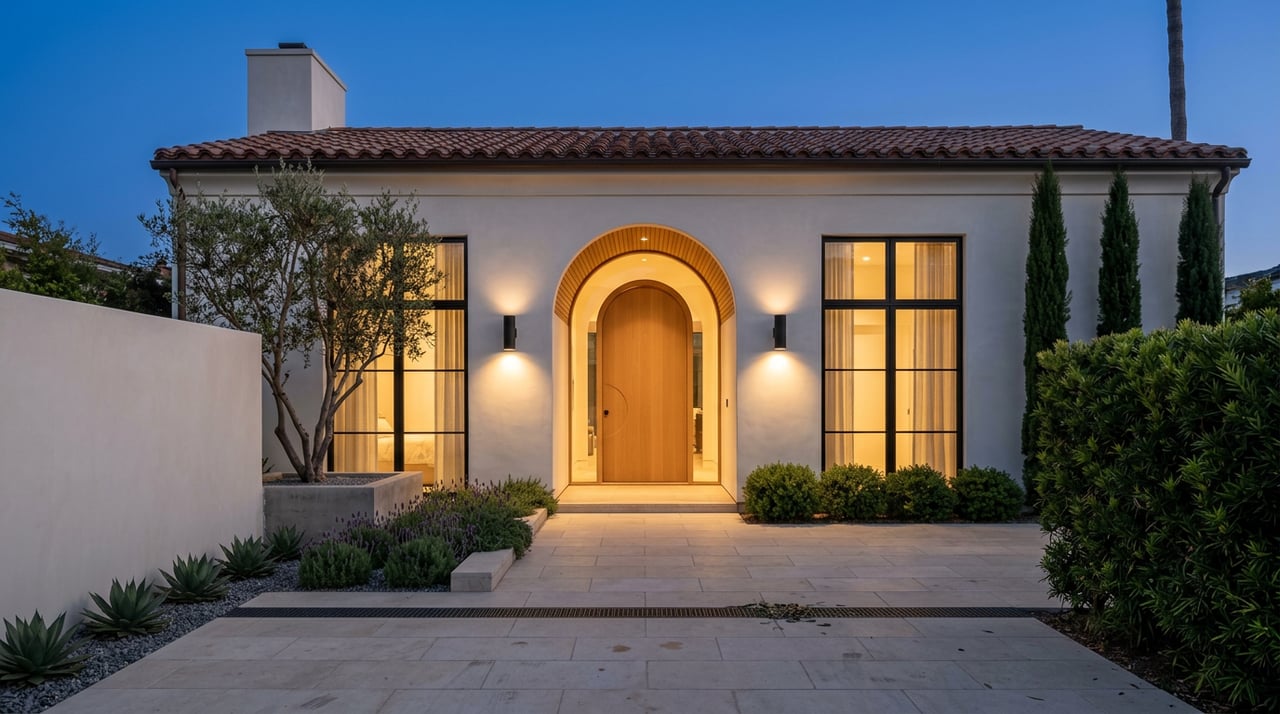
If nearby comps show premium pricing for updated homes and buyer demand skews toward move-in ready, selective updates can broaden your buyer pool. In Eastside Costa Mesa, fresh paint, a light kitchen or bath refresh, new lighting, and curb appeal often make the most visible difference. Add staging and professional photography to maximize perceived value and reduce time on market.
Avoid over-improving. Match finishes to neighborhood norms, and use your CMA to validate whether buyers are paying up for certain features or square footage.
Your action plan
- Get a CMA tailored to Eastside Costa Mesa.
- Consider a pre-listing inspection to identify costly issues and unpermitted work.
- Gather 2–3 contractor bids, then add a 10–20 percent contingency.
- Build two net sheets, as-is and renovated, including carrying time.
- Confirm permit requirements with the City of Costa Mesa and align timelines.
- If renovating, prioritize quick, high-ROI updates and staging.
- If selling as-is, prepare a transparent package and target the right buyers.
If you want a controlled, turnkey path, you can leverage premium listing support like Compass-enabled concierge upgrades, private-exclusive exposure, and high-impact marketing. You will keep distribution tight while improving buyer response.
Ready to compare your options in detail and build a plan that fits your goals and timeline? Connect with Tyler Brown & Associates for a private, data-backed consultation.
FAQs
What should I check first before deciding to renovate or sell as-is?
- Get a local CMA, a pre-listing inspection, and 2–3 contractor bids so you can compare net proceeds and timelines for both paths.
Which upgrades typically deliver the best resale impact?
- Light, high-visibility updates like paint, flooring refresh, minor kitchen and bath improvements, curb appeal, and professional staging often provide strong perceived value.
How do permits affect a sale in Costa Mesa?
- Work that required permits but was done without them can slow escrow or reduce your buyer pool, and lenders may require corrections or retroactive permits.
Will FHA or VA buyers purchase a home sold as-is?
- Possibly, but FHA and VA loans require health and safety items to be addressed, so properties with significant condition issues may not qualify without repairs.
How long will renovations take compared to selling now?
- Cosmetic updates may take weeks, while larger remodels can run several months; factor in carry time and market risk when comparing net proceeds.
Do I need to worry about taxes when I renovate and sell?
- You should consider potential capital gains and basis adjustments; review IRS guidance in Publication 523 and speak with a tax advisor for your specific situation.