Should you put money into a remodel or sell your Laguna Beach home as-is? It is a big call, especially with bluff-top and hillside rules that can turn a simple update into a long permit process. You want the strongest net result with the least friction. In this guide, you will see local market signals, what updates actually move the needle, and when selling as-is makes more sense in Laguna. Let’s dive in.
Laguna Beach market at a glance
Laguna Beach is a high-value, low-volume market where pricing and timing vary by micro-location and condition. Recent data show a median sale price near $2.9M with roughly 118 days on market, while another source shows a median listing figure around $4.0M and a higher price per square foot. You should expect published medians to vary by source and time frame. Review current snapshots for Laguna and Orange County to fine-tune your pricing and time-to-sell expectations using local MLS signals.
- View recent Laguna Beach sales trends and days on market to ground your pricing in real activity on Redfin’s market snapshot.
- Compare listing-level pricing and view orientation trends using Realtor.com’s Laguna Beach overview.
- Use county-level snapshots for inventory and days-on-market context through Orange County REALTORS market graphics.
What buyers pay for in Laguna
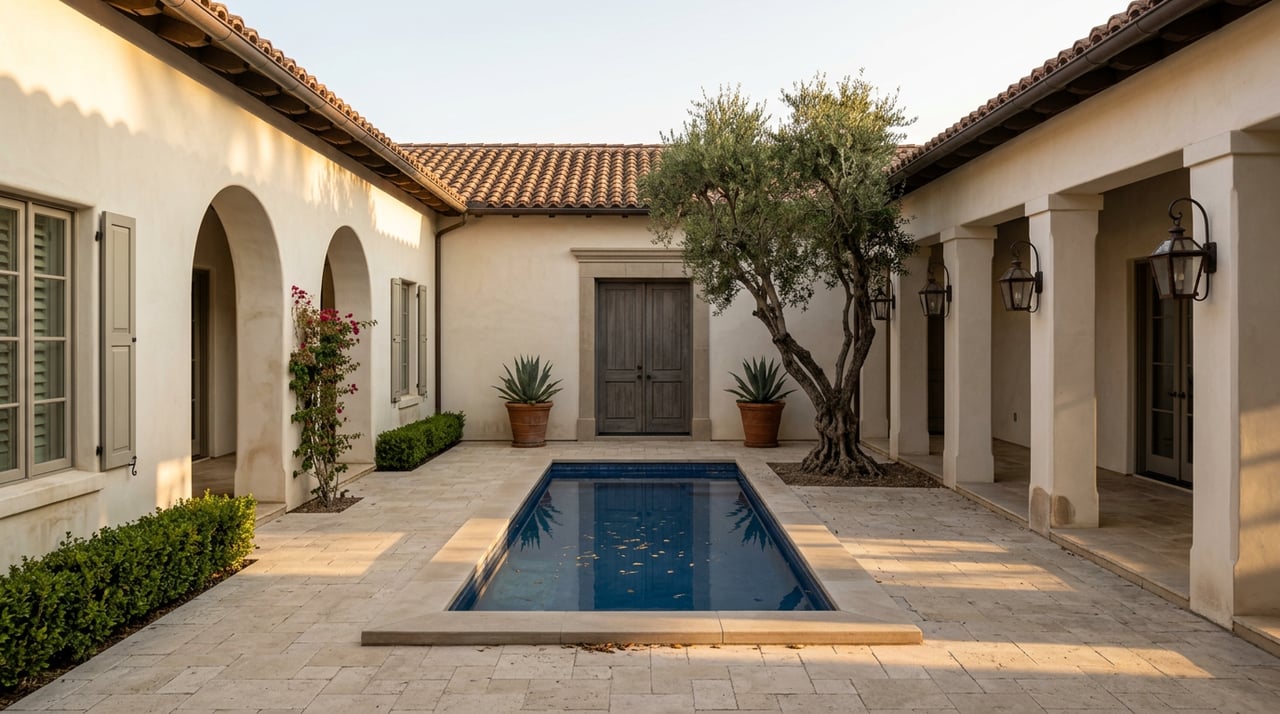
In this lifestyle market, buyers prioritize views, outdoor living, and move-in readiness. National research shows buyers place strong value on condition and expect obvious deferred maintenance to be addressed before listing. In coastal luxury segments, outdoor spaces, view corridors, and privacy are key, often more than ultra-upscale interior finishes alone. If you can improve how a buyer experiences the view or outdoor flow, you will often see a bigger return than a heavy interior overhaul.
- See how condition and move-in readiness shape buyer decisions in the NAR Home Buyers & Sellers Generational Trends report.
- Explore how Laguna listing patterns emphasize outdoor features and view orientation on Realtor.com’s neighborhood overview.
Remodel ROI in coastal Orange County
Short-term resale payback tends to favor targeted exterior improvements and “minor” refreshes over major additions. Regional benchmarks from the Pacific and Los Angeles area help set expectations.
- Garage door replacement delivers very high payback, roughly 260 to 270 percent in recent Pacific data.
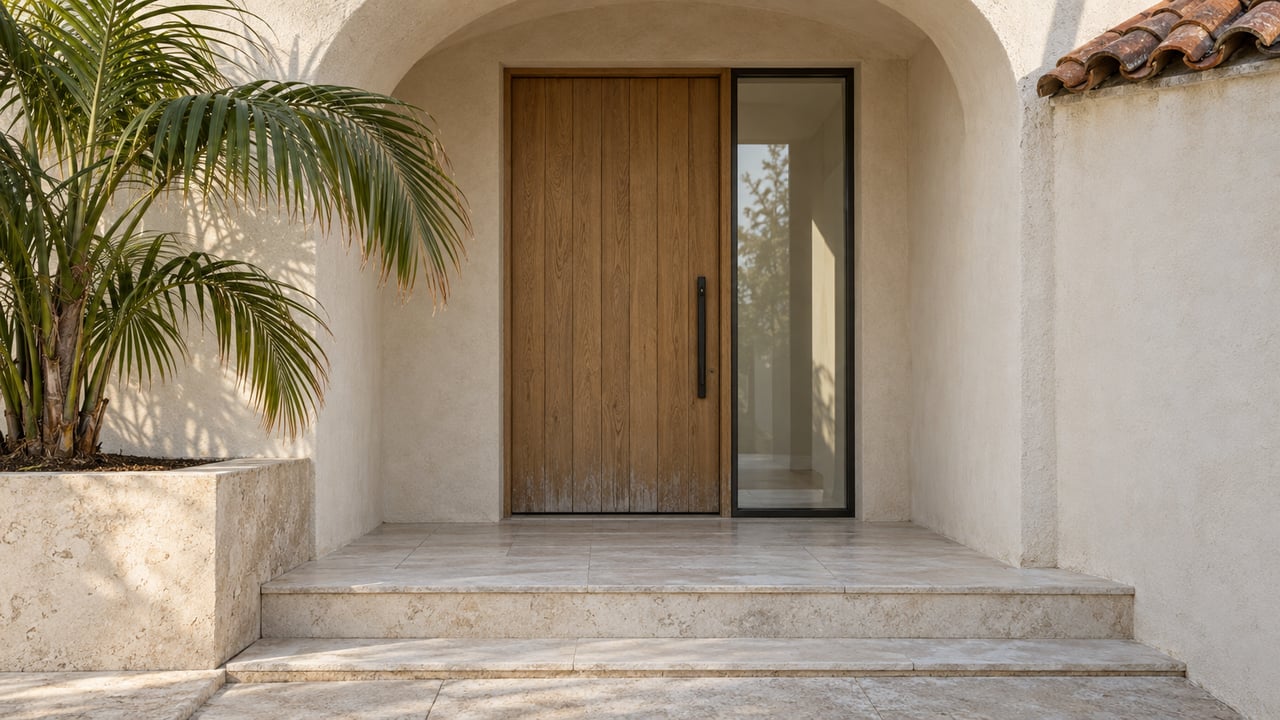
- Entry door replacement and manufactured stone veneer also show strong exterior ROI, with entry doors above 200 percent in the report.
- A minor kitchen remodel often recoups more than 100 percent when it is a tasteful refresh, not a full gut or expansion.
- Midrange bathroom updates and deck additions tend to recoup a modest but positive share. Major additions or upscale expansions usually return much less in the short run.
For planning, use these as guardrails, then price out actual bids. You can review the regional Cost vs Value figures for project-by-project guidance in the Pacific/Los Angeles dataset.
When to update vs. sell as-is
Update before listing when
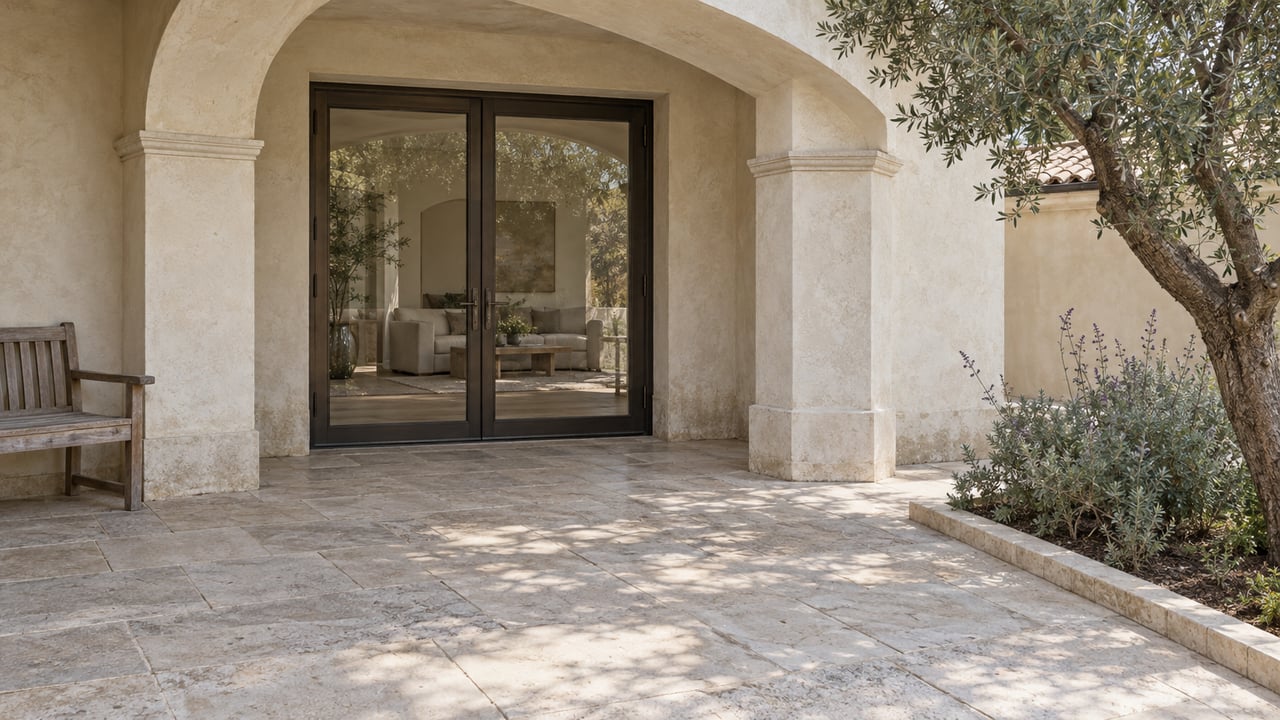
- Your home already has strong view and outdoor assets, and you can elevate first impressions with high-ROI, lower-risk projects like paint, an entry or garage door, lighting, and light landscaping.
- A minor kitchen or bath refresh will align the home with buyer expectations without opening walls or triggering complex permits.
- A pre-list inspection shows only routine fixes, and a clean, staged presentation will shift you into a turnkey lane that attracts retail buyers at better numbers.
Consider selling as-is when
- Your property is bluff-top or on a steep hillside, and any major scope is likely to trigger coastal or grading review. The time, cost, and uncertainty can erase short-term resale gains.
- Structural or geotechnical concerns appear during screening. Let a buyer with a construction plan and permit appetite take on the work.
- Your top priority is speed and certainty. Cash or investor buyers will discount for work, but you avoid carrying costs and permit timelines.
Site-specific rules that change the math
Bluff-top properties
Laguna Beach has a certified Local Coastal Program that defines bluff edges, setbacks, and what counts as new development. Work near the bluff commonly requires a Coastal Development Permit, public notice, and sometimes appeals, especially if it increases nonconformity or would rely on shoreline protective devices. Expect added studies and strict design limits, and bring in a geotechnical engineer early. Review the city’s LCP guidance on bluff constraints in the Local Coastal Program document and the municipal code’s coastal development standards in the city code portal.
Hillside homes
Steep-slope work often requires soils and geotechnical recommendations, grading permits, and design review. Retaining walls, drainage changes, or cut and fill can trigger added review and conditions. Lenders and buyers may request soils reports, so factor that into both the project and a future sale. See permit thresholds and process context in the city code portal and the city’s coastal guidance documents in the Local Coastal Program.
Village and downtown
Homes near Main Beach and in the Village often sit under tighter design review, historic resource rules, and tight setbacks, which limit expansion. Interior updates and cosmetic refreshes are usually the most practical path to improve marketability. Check district-specific design review rules in the city code portal before planning exterior changes.
Coastal hazards and buyer perception
Sea-level rise and bluff retreat are growing considerations for buyers, insurers, and lenders. Use the NOAA Sea Level Rise Viewer as an initial screening tool to understand relative exposure. It is a good first look, but it does not replace a site-specific geotechnical review if you plan any significant work.
A simple decision framework
Use this step-by-step path to choose your lane with confidence.
- Get a local CMA that separates bluff-top, hillside, and village comps. Aim for the most recent 3 to 6 months to set a realistic range, and remember that published medians vary by source and timing. Start with a local snapshot like Redfin’s Laguna Beach page.
- Order a limited pre-listing inspection. If you are near a bluff or on a steep slope, add a geotechnical screening. Catching a single major issue early can save months and significant cost. The city’s coastal materials outline common triggers in the Local Coastal Program.
- Get 1 to 2 contractor bids for your prioritized list. If your scope might touch setbacks or trigger a Coastal Development Permit, ask an architect or designer to comment on feasibility.
- Check the ROI reality. Exterior curb appeal and minor kitchen refreshes often recoup a high share in the Pacific data, while big additions and complex stabilization usually do not. Use the Cost vs Value benchmarks as a guide.
- Decide who your likely buyer is. Retail buyers pay premiums for turnkey condition, strong outdoor flow, and preserved view corridors. Investors or cash buyers will buy as-is at a discount when speed and certainty matter. The NAR buyer trends report supports the importance of condition.
- Score the timing and permits. Coastal and grading approvals can add months, along with public notice and hearings in some cases. Build that time into your plan using the city code portal as a reference.
- Prepare disclosures and underwriting items. Be accurate about coastal hazards and any unpermitted work. A geotechnical or structural memo can help buyers and lenders underwrite faster, reducing friction later.
Low-cost, high-impact prep checklist
- Inspection, permits, and records. Order a seller’s inspection and collect past permits and HOA rules if applicable.
- Geotech and structure. If flagged, order a geotechnical screen and structural review for hillside or bluff-proximate sites.
- Curb appeal upgrades. Deep clean, declutter, touch-up paint, refresh the front door hardware and lighting, tidy landscaping, and consider a new garage or entry door. Regional ROI data show small exterior items often outperform big interior projects.
- Minor interior refresh. If appropriate, reface or paint cabinets, update counters, and add modest appliances and fixtures to elevate the kitchen or baths without opening walls.
- Presentation. Use professional photography and thoughtful staging. Buyers compare move-in condition across listings, so presentation can shorten days on market and support stronger offers.
Benchmarks for these choices are outlined in the Pacific/Los Angeles Cost vs Value report and the NAR buyer trends report.
Timeline, financing, and marketing options
If your target updates may trigger a Coastal Development Permit, design review, or grading approvals, plan for added months. Where scope is modest, a quick cosmetic tune-up can often be completed in a few weeks, which gets you to market while buyer demand is fresh. If you want a high-touch way to handle prep, Tyler Brown & Associates can coordinate staging and pre-list repairs through the Compass platform’s listing-stage concierge services. If discretion is a priority, we can also discuss Private Exclusives that limit public exposure while reaching qualified buyers.
Making the call in Laguna Beach
For many Laguna sellers, the winning path is a focused prep: fix deferred maintenance, boost curb appeal, and refresh key surfaces. If your home sits near a bluff edge or on a steep slope, weigh the permitting risk and timeline carefully before committing to major changes. When the expected uplift is modest or the scope is complex, selling as-is and letting the next owner execute their plan can protect your net and your time.
If you want a data-backed read on your home, a tailored scope, and hands-on prep support, schedule a private consult with Tyler Brown & Associates. We will bring local comps, ROI benchmarks, and a clear plan to help you move forward with confidence.
FAQs
Should I remodel a bluff-top home before selling in Laguna Beach?
- Significant bluff-top projects often trigger Coastal Development Permits, setbacks, and possible appeals under the city’s Local Coastal Program, which can add cost and time. Light cosmetic work that does not approach the bluff edge is usually safer.
Which updates deliver the best short-term ROI in coastal Orange County?
- Regional data show small exterior items like garage and entry doors, plus minor kitchen refreshes, often recoup a high share of cost, while major additions and upscale expansions recoup less in the short term.
How long can coastal permits add to my timeline?
- Coastal Development Permits, design review, and grading approvals can add months, with public notice and hearings in some cases, so build that into your plan.
Is selling a home as-is a red flag to Laguna buyers?
- Not necessarily. Retail buyers may discount for work, but investor or cash buyers often prefer as-is when speed, certainty, or permitting complexity are in play.
Do I need a geotechnical report to sell a hillside property?
- While requirements vary, buyers and lenders often ask for soils or geotechnical reports on hillside sites, and the city may require them for remodel permits.
How do sea-level rise and erosion concerns affect resale?
- Buyers, insurers, and lenders increasingly consider coastal hazards. Use the NOAA Sea Level Rise Viewer as an initial screen and get site-specific geotechnical advice for meaningful planning.
Can Tyler Brown & Associates help manage pre-list updates?
- Yes. The team can coordinate staging and targeted repairs and leverage Compass concierge-style listing services to streamline prep and presentation before you hit the market.