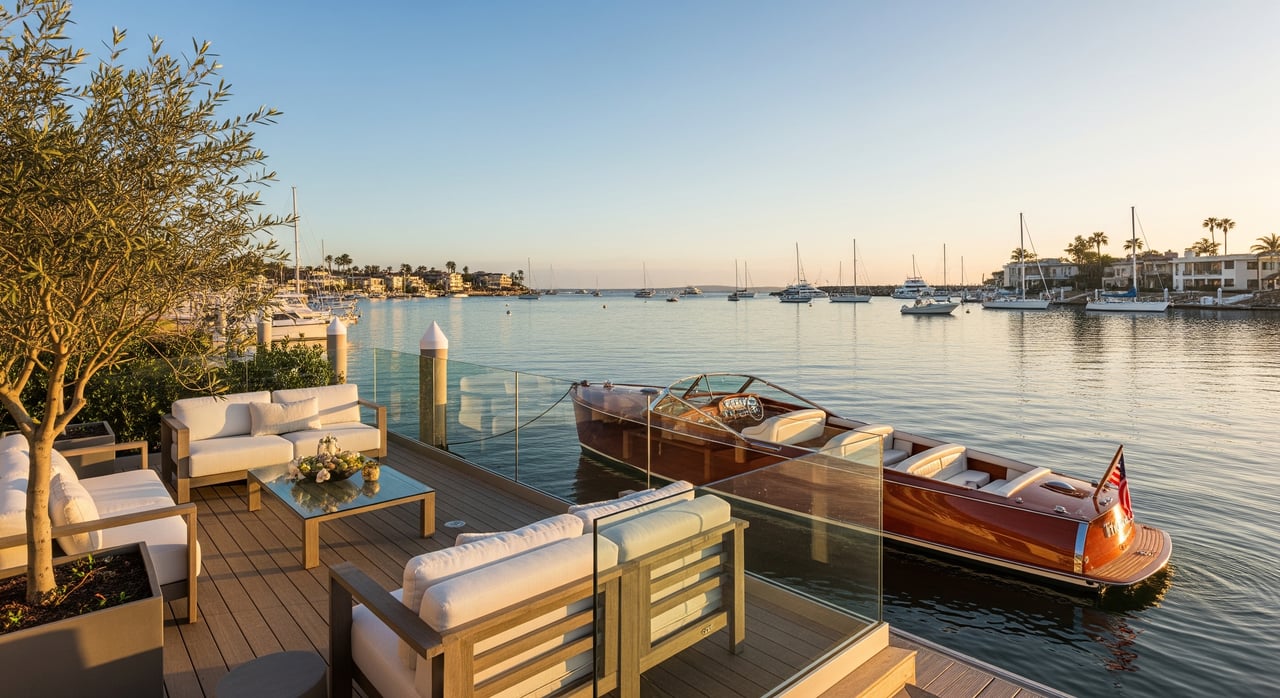
Picture yourself sipping coffee as sailboat masts sway outside your window and Duffy boats glide by at a walking pace. If you are weighing a harbor lifestyle in Newport Beach, you want the real story on neighborhoods, boats, daily rhythms, costs, and rules. In this guide, you will learn how each pocket feels, what your day might look like, and the practical details that come with waterfront ownership. Let’s dive in.
Newport Harbor at a glance
Newport Harbor is an active, highly developed coastal harbor with islands, a peninsula, marinas, and waterfront dining clustered around the water. Some areas feel quiet and residential, while others are lively and tourist oriented. You will find paddleboards and kayaks alongside yachts, plus promenades, parks, and seasonal events that create a strong social rhythm around the water. A single block can shift from tranquil residential to busy retail, so micro-location matters.
Neighborhood microguides
Balboa Island
You get a quaint island vibe with small cottages, tight lots, and a pedestrian promenade. Marine Avenue offers boutique retail and cafés, and the Balboa Island Ferry adds charm and easy cross-harbor access. Summer brings more foot traffic, so expect a lively feel during peak seasons. If you value walkability and neighborly energy, this pocket delivers.
Balboa Peninsula and Balboa Village
This is beach and harbor life in one, with boardwalk cycling, casual eateries, and the family-friendly Fun Zone. It is more commercial and active, especially on summer weekends and holidays. You will be close to boat rentals, beach access, and nightlife, with the tradeoff of crowd density and seasonal parking pressure. It suits buyers who enjoy being in the middle of the action.
Lido Isle and Lido Marina Village
Lido Isle is a private, community-centered island with high-end single-family homes and strong neighborhood identity. Lido Marina Village offers upscale waterfront shopping and restaurants in a setting that feels refined, social, and a bit quieter than the peninsula. You can launch a paddle in the morning and stroll to dinner in the evening. It is a popular fit for buyers who want privacy near lifestyle amenities.
Corona del Mar, harbor adjacent
Cliff-backed neighborhoods give you big coastal views and a residential feel, with a village center of upscale shops and dining. Parts near the harbor edges are calmer and less touristy than the peninsula. You will likely drive a few minutes to marinas or harbor dining, but you gain a relaxed, polished neighborhood base. It is a strong option if you want harbor proximity without constant foot traffic.
Mariners Mile and the harbor commercial corridor
Along Pacific Coast Highway, you will find marine services, marinas, and waterfront restaurants. It blends commercial and residential uses, so expect practical access to service providers and boat care. The corridor is car oriented, with quick connections to major roads. It works well if you prioritize boating support and dining variety.
West and East Newport, Harbor View
These mixed residential areas include pockets near marinas and quieter suburban-feeling streets. Walkability varies by block, with some homes a quick bike ride to waterfront dining. You will likely rely on a car for errands, while still enjoying easy harbor access. If you want a more traditional neighborhood feel near the water, these areas are worth a look.
A day in the life on the harbor
The full-time boater
Morning paddle at first light, then a quick stop for coffee along the waterfront. Midday, you check your slip or private dock and schedule routine maintenance. Evenings are for harbor cruises on an electric boat and a relaxed dinner on the water. On weekends, you join a community sailing program or watch a regatta from your deck.
The weekend escape owner
You arrive Friday, park the car, and switch to walking or biking for most errands. Saturday is for paddleboarding, beach time on the peninsula, and a late lunch by the marina. Sunday includes a casual ferry ride and a last stroll along a promenade before heading home. You lock and leave with services set for boat and home maintenance during the week.
The downsizer seeking convenience
Your day is compact and social, centered on a walkable micro-neighborhood. Mornings start with a shoreline stroll, then errands and appointments nearby. You choose dining by mood, casual or upscale, without driving far. You enjoy quieter evenings in shoulder seasons and plan around peak summer weekends.
Boating, marinas, and getting on the water
Recreational boating defines daily life in Newport Harbor. You will see sailboats, powerboats, tenders, and electric Duffy boats, plus kayaks and paddleboards in protected waters. For slip availability, marina rules, and harbor services, review the City’s official Harbor Department resources, including transient and leased options on the City of Newport Beach Harbor Department page.
Slip availability and cost vary widely by boat size and location, and many marinas maintain waiting lists. Some communities have private docks, while others rely on leased slips. Liveaboard and guest-berthing rules are specific to each marina or HOA, so you should confirm policies in writing before you buy. Water taxis and the Balboa Island Ferry offer scenic connections that simplify short trips across the harbor.
Dining, shopping, and social rhythm
Waterfront dining clusters in Lido Marina Village, parts of Mariners Mile, Balboa Village, and along Marine Avenue on Balboa Island. You can choose everything from casual boardwalk favorites to elevated seafood with harbor views. Many spots are busiest in summer, so shoulder seasons feel calmer. For local event calendars and business directories, browse the Newport Beach Chamber of Commerce.
Walkability, parking, and seasonality
Walkability depends on micro-location. Balboa Island and Lido Village are the most pedestrian friendly, while the peninsula and PCH corridors are more car or bike oriented. Summer weekends bring more boat traffic and visitors, which can increase noise and parking competition near popular waterfronts. Residents often rely on private parking, permits, or off-peak routines to keep daily life smooth.
Ownership essentials, costs, and rules
Newport Harbor real estate ranks among the most expensive in Orange County, with a mix of luxury single-family homes, waterfront condos, and historic island cottages. In California, the base property tax rate is 1.0 percent of assessed value, plus local assessments that often place the effective rate around or above 1.1 percent depending on the parcel. HOAs are common in condominiums and private island communities, with fees that may cover common area maintenance, insurance, utilities, and sometimes shared dock upkeep. Waterfront owners should budget for dock and pier maintenance, plus boat ownership costs like haul-outs and insurance.
Parts of the harbor lie in FEMA flood zones, and lenders typically require flood insurance for high-risk areas. Before you write an offer, check parcel-level maps using the FEMA Flood Map Service Center. Long-term owners should also consider sea-level scenarios and adaptation planning. Use NOAA’s Sea Level Rise Viewer for visualization and consult the California Coastal Commission’s Sea Level Rise Policy Guidance for broader context.
Coastal construction work, such as seawall or bulkhead repairs and new dock construction, often requires permits from the City and sometimes state agencies. Permitting timelines and costs vary by scope, so build that into your planning. If you plan to operate a short-term rental, review local rules and permit requirements, which vary by zone and property type. Start with the City’s municipal code resource to understand current standards for short-term lodging and enforcement by visiting the City of Newport Beach municipal code.
Market dynamics and fit
Demand is fueled by affluent full-time residents, second-home owners, and out-of-area buyers who want immediate water access and a compact coastal lifestyle. Limited waterfront inventory and high amenity expectations support premium pricing, with private docks or deeded slips often commanding a distinct value premium. Second-home searches often pick up in shoulder seasons, and permitted rental dynamics can influence returns for investor-minded buyers.
You are a strong fit if boats and on-water recreation are regular priorities, if you value waterfront dining and short boat runs to open water, or if you want an easy lock-and-leave second home with local marina support. You are less likely a fit if you want large lots, full privacy from neighbors, or year-round solitude near tourist-oriented waterfronts.
Your buyer due diligence checklist
- Confirm the exact FEMA flood zone and review any local tide or flood history for the parcel.
- Clarify dock rights: private ownership versus easement versus leased slip, including size limits and guest-berthing rules.
- Review HOA documents and CC&Rs for rules on boats, exterior changes, assessments, and any rental restrictions.
- Verify marina fees, waitlist status, and liveaboard policies if you need a leased slip.
- Check short-term rental legality, permitting steps, and enforcement practices with the City.
- Obtain insurance quotes for homeowners, flood, and boat liability, including any wind or wave considerations.
- Visit the area at different times, including summer weekends and holidays, to gauge noise and parking.
- Ask about shoreline management plans or public projects that could affect views, access, or seawall needs.
Harbor seasons at a glance
- Winter to spring: Calmer pace, easier restaurant reservations, and accessible transient slips. Great for buyers to explore without crowds.
- Late spring to summer: Peak boating, regattas, seasonal events, and the most lively waterfront energy. Expect more traffic and higher demand for slips and parking.
- Fall shoulder season: Warm days and lighter crowds, ideal for settling in or closing on a second home. Social calendars remain active with a more relaxed feel.
When you are ready to explore specific streets, docks, or off-market options, you deserve a local advisor who blends hospitality, data, and discretion. For private tours, investor-minded underwriting, or Compass-enabled strategies such as Private Exclusives and Concierge, connect with Tyler Brown & Associates.
FAQs
How does dock ownership work in Newport Harbor?
- Dock rights vary by parcel and community, ranging from private ownership to easements or leased slips through a marina, so verify the exact rights and maintenance obligations during due diligence.
Are there waiting lists for marina slips in Newport Beach?
- Many marinas maintain waiting lists that depend on boat size and location, so contact operators early and confirm fees, lease terms, and any liveaboard or guest policies in writing.
How walkable are harbor neighborhoods for daily errands?
- Balboa Island and Lido Village are highly walkable to dining and shops, while the peninsula and PCH corridor often require a short drive or bike ride for errands, which varies by block.
Will I need flood insurance for a harbor property?
- If the home is in a FEMA high-risk flood zone your lender will likely require flood insurance, so check the parcel on the FEMA Flood Map Service Center and request quotes early.
What should I know about short-term rentals in Newport Beach?
- The City regulates short-term lodging through permits and zoning rules, so review current standards on the City of Newport Beach municipal code and confirm your property’s eligibility before you buy.
How busy and noisy is the harbor during summer?
- Summer weekends bring more boat traffic, events, and visitors, especially near marinas and popular waterfronts, so plan for heavier parking demand and a livelier atmosphere during peak season.
What maintenance comes with waterfront ownership?
- Budget for dock or pier upkeep, seawall and bulkhead needs, and routine boat expenses like haul-outs and insurance, plus potential permits for shoreline work with the City.
Where can I find official harbor information on slips and services?
- Start with the City of Newport Beach Harbor Department for harbor operations, permits, and links to transient or leased options, then confirm details with specific marinas.